Poodle
Size, energy, grooming and the health screenings to ask about before you bring home a Poodle.
This page contains an affiliate link. We may earn a commission if you buy through it, at no extra cost to you. Learn more.
At a glance
- Height
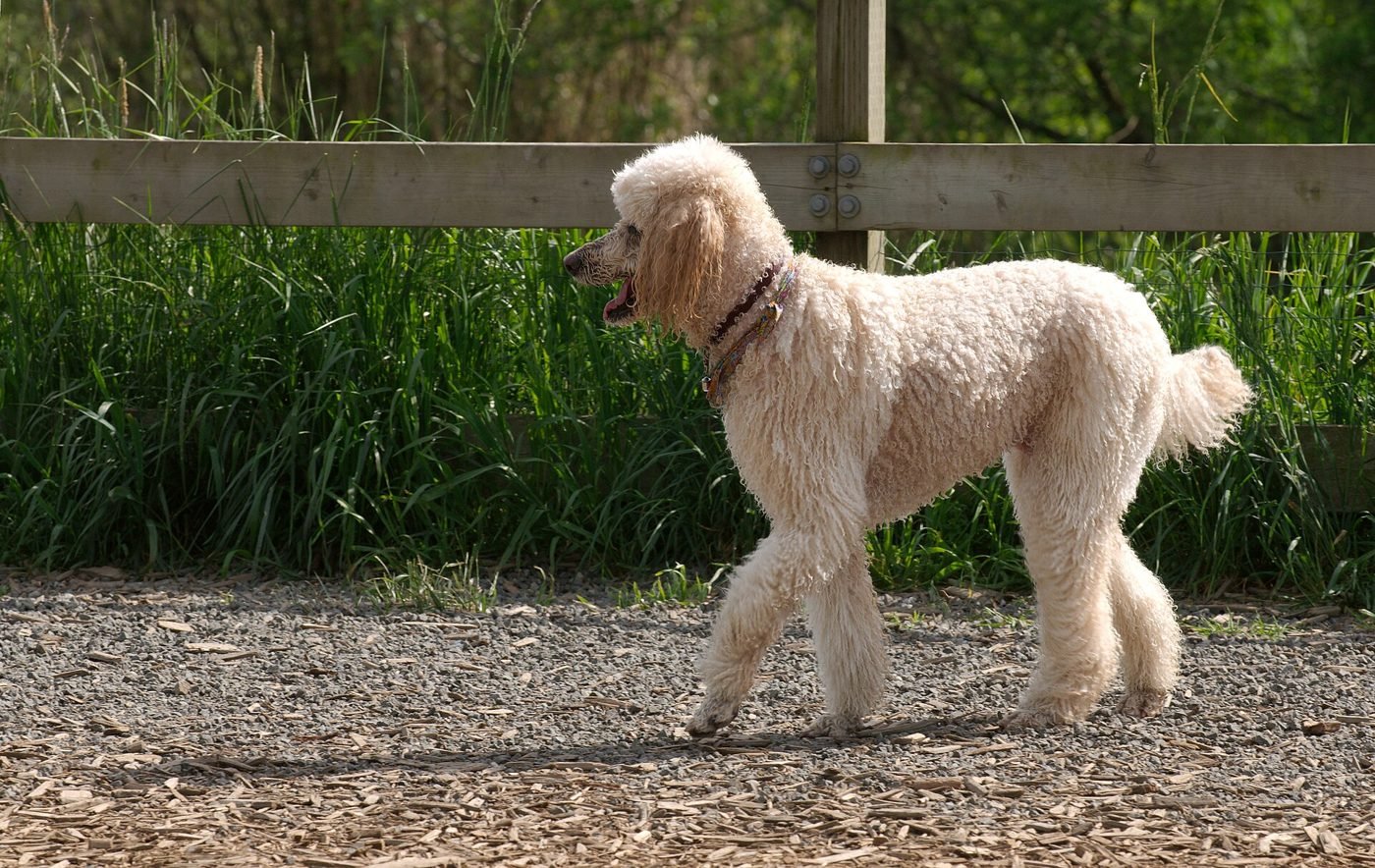
- Standard: over 15 inches; Miniature: 10 to 15 inches; Toy: No more than 10 inches
- Weight
- Standard: 60 to 70 pounds (male), 40 to 50 pounds (female); Miniature: 10 to 15 pounds; Toy: 4 to 6 pounds
- Life expectancy
- 10 to 18 years
- AKC group
- Non-Sporting Group (Standard and Miniature); Toy Group (Toy)
- AKC size class
- Extra small, Small, Medium
- AKC popularity
- No. 6 in 2025
- Temperament, per the AKC
- Active, proud, very smart
Energy and exercise
Very active at every size. Poodles need good exercise every day, and most love to swim and retrieve.
Grooming and shedding
Unless kept in a short clip, a Poodle needs daily brushing down to the skin to prevent mats. Most pet owners keep a Poodle in a shorter trim.
Brushing tip: many owners of breeds like this keep a slicker brush handy. Browse options on Amazon. We have not tested these products; ask your groomer or vet what suits your dog's coat.
Good with
AKC breed trait ratings, from 1 to 5. Early socialization and training matter more than any rating.
Health: what to ask your vet and breeder
Recommended screenings
The breed's national club recommends these health tests for breeding dogs, as listed by the AKC. Ask a breeder to show you results for both parents.
- Hip screening (Standard)
- Eye exam by a veterinary ophthalmologist (Standard)
- DNA Test for Neonatal Encephalopathy with Seizures (NEwS) or clear by parentage (Standard only) (Standard)
- Autoimmune Thyroiditis Evaluation (Standard Only) (Standard)
- Von Willebrand Disease I (VWDI) (DNA test) (Standard)
- Kneecap (patella) check (Miniature)
- Hip screening (Miniature)
- Eye exam by a veterinary ophthalmologist (Miniature)
- Progressive Retinal Atrophy, PRCD (PRA-prcd, PRCD) (DNA test) (Miniature)
- Kneecap (patella) check (Toy)
- Eye exam by a veterinary ophthalmologist (Toy)
- Progressive Retinal Atrophy, PRCD (PRA-prcd, PRCD) (DNA test) (Toy)
Conditions to know about
Conditions PetMD's veterinary content flags for this breed (Standard Poodle page):
- Hip dysplasia
- Idiopathic epilepsy
- Von Willebrand disease
- Skin conditions
- Bloat and gastric dilatation-volvulus
PetMD says Standard Poodles need active pet parents with time for daily exercise and mental engagement.
National breed club: Poodle Club of America, Inc..
Good fit if
- You want an active partner for daily walks, hikes or dog sports.
- You enjoy training. The AKC rates this breed's trainability 5 out of 5.
- You have kids. The AKC rates the breed 5 out of 5 with young children, though every dog and kid needs supervision.
- You want a dog that sheds very little. No dog is truly hypoallergenic, though.
- You want a social dog who greets guests like old friends.
Think twice if
- You're away all day or can't offer vigorous daily exercise and brain work.
- You don't want to brush often or pay for regular professional grooming.
- You need a quiet dog for thin walls or close neighbors. The AKC rates its barking 4 out of 5.
Sources
Affiliate disclosure: The Daily Wag may earn a commission from qualifying purchases made through links on this page, at no extra cost to you. It never affects what we cover. Learn more.
Spot something out of date? Let us know and we'll check it.